Specialism
Therapy after sexual abuse
EMDR and trauma-focused CBT with a BABCP-accredited therapist — at your pace, and without having to give a blow-by-blow account. Online across the UK, in English or Spanish.
If something has happened recently
Therapy is not the first call after a recent assault, and it is not an emergency service.
- 999 — if you are in immediate danger
- A Sexual Assault Referral Centre (SARC) — free medical care, and forensic options kept open whether or not you decide to report. Search "SARC" on nhs.uk for your nearest one
- Rape Crisis England & Wales: 0808 500 2222 — free, 24 hours a day
- Samaritans: 116 123 — free to call, any time, day or night
You do not have to make a decision about the police in order to get medical care or support. Those are separate choices, and both of them are yours.
Does this sound familiar?
It may have been last month or forty years ago. It may have been once, or for years. It may have been a stranger, or — far more often — someone you knew, trusted, depended on or loved, which is what makes the whole thing so much harder to file under a simple word.
What brings people here is usually not the memory itself but what it is still doing. Intrusive images that arrive uninvited. Nightmares. Flinching at a smell, a song, a particular tone of voice. Going numb or leaving your body when someone touches you, including someone you want to be touched by. Checking locks. Not being able to sit with your back to a room. A tiredness that sleep does not fix.
And underneath it, almost always, the private case for the prosecution. That you should have fought, or shouted, or left, or told someone sooner. That because you froze, or complied, or stayed in contact afterwards, or felt something physical, it must not have been what it was. None of those things are consent. Freezing is what bodies do when fighting and fleeing are not available, and staying close to someone dangerous is a recognised way of surviving them.
Many people also arrive unsure whether they are allowed to call it anything. If you are still wondering whether it counts, that uncertainty is itself an extremely common part of this, and it is not a reason to stay away.
How I work with this
The first thing to say is what the work is not. It is not sitting down in session two and narrating what happened from beginning to end. Detailed retelling is not what makes trauma therapy work, and doing it before you are steady enough is how people end up worse rather than better.
So we start with stability. Sleep, the panic, the dissociation, the things that are currently taking the ground out from under you. You learn how to bring yourself back when a memory pulls you out of the present, and we test that it works, before we go anywhere near processing. For some people this stage is two sessions; for others it is much longer, and that is a clinical decision rather than a delay.
Then, when you choose to, we process. EMDR is often the treatment of choice here, and one of the reasons is that it asks very little narration: you hold the memory in mind while following a repeated left-right movement or sound, and the memory loses its charge without you having to describe it to me in detail. Trauma-focused CBT works on the meanings the experience left behind — that it was your fault, that you are damaged, that you are dirty, that nobody can be trusted — which are usually what holds the symptoms in place.
You keep control of the pace throughout. You can stop, pause or change direction in any session, and saying so is not a failure of the therapy; it is the therapy working as designed. We go at the speed your nervous system will tolerate, not at the speed of a protocol.
I do not write reports for the police, courts or compensation claims, and I am not an expert witness. If you are going through a criminal or civil process, I can work alongside it — and it is worth knowing that therapy does not have to wait for a case to conclude, a myth that has kept a lot of people untreated for years.
What to expect
The first sessions are about getting to know you and what you are living with now, not about the account. I will ask what happened in broad terms, because I need to know what we are treating, and broad terms are genuinely enough — a sentence, if that is what you have.
Length varies more here than elsewhere. A single incident in adulthood may take 12–20 sessions; abuse that went on for years, particularly in childhood, usually takes longer, and we review as we go rather than committing to a number at the start. Sessions are weekly and 50 minutes.
The effects on your body, on sex, and on your relationships are ordinary things to bring here. People often assume those are too much detail, or somehow not the therapist's business, and then carry the part that troubles them most out of the room and back home again.
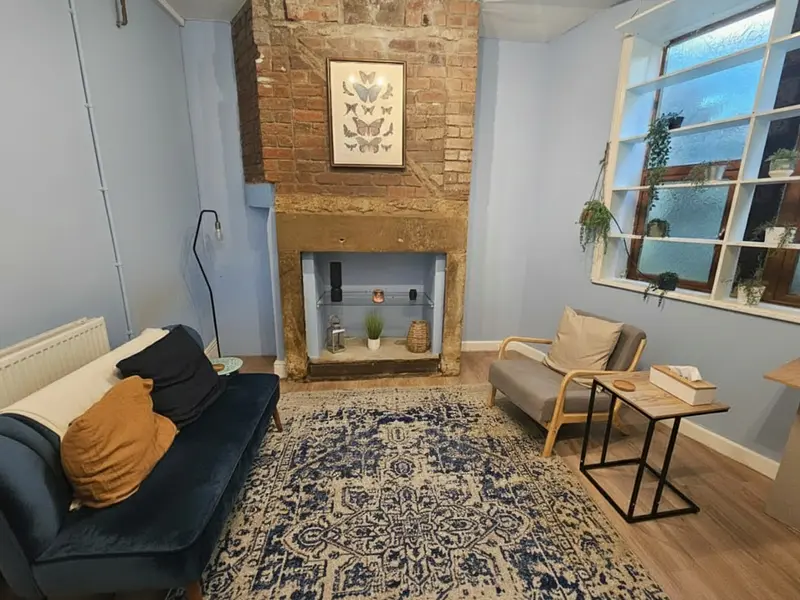
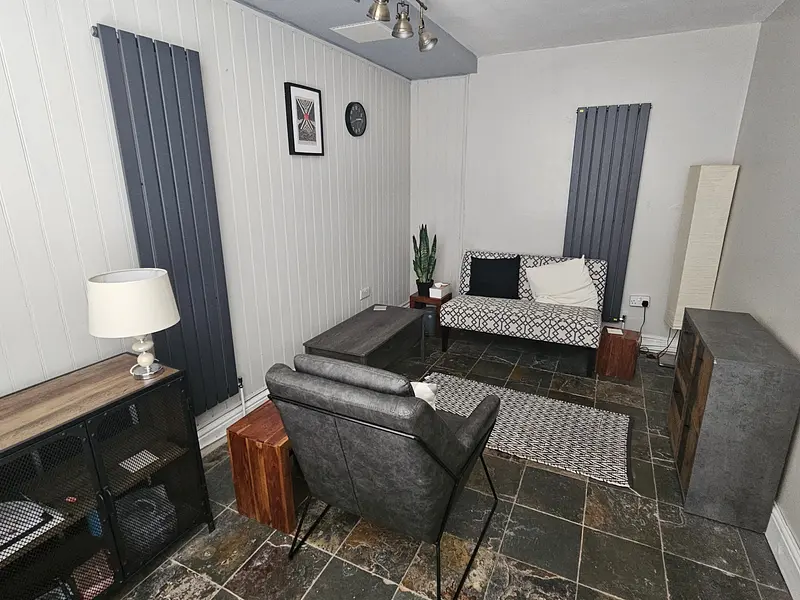
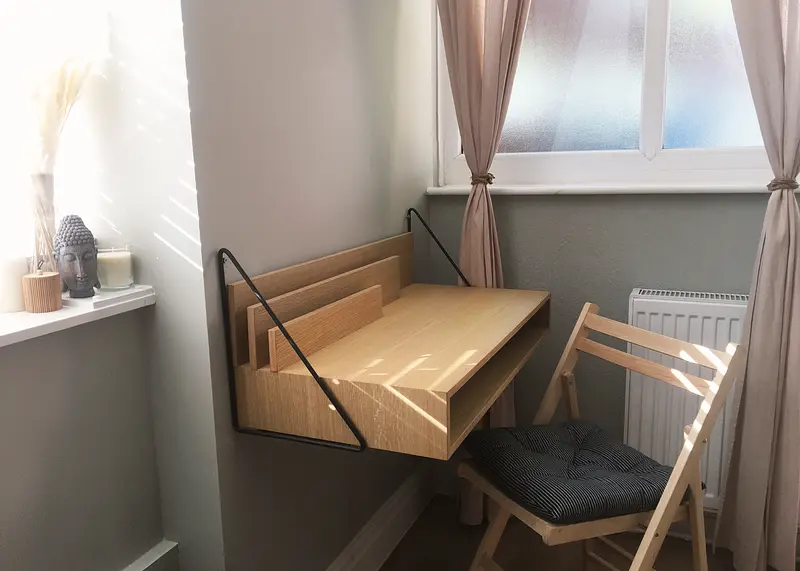
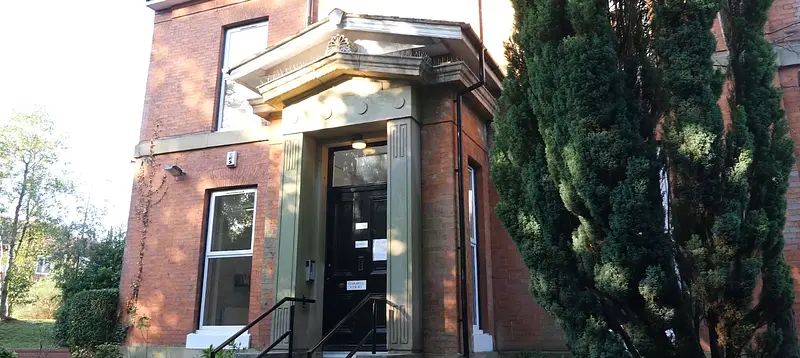
Sessions run online across the UK and worldwide, or in person at Sanctuary Therapy Centre in Prestwich and Hebden Bridge. EMDR works online — it is well established, and for some people it is easier to do this work from their own home.
Common questions
Do I have to tell you what happened in detail? No. I need to know in broad terms what we are treating, and that is all. EMDR in particular requires very little telling.
It was a long time ago. Is it too late? No. EMDR and trauma-focused CBT work on memories that are decades old. How long ago it was does not determine how treatable it is.
I'm not sure it counts as abuse. You do not need a label, or certainty, to come and talk about it. Working out what to call it is often part of the therapy rather than a requirement for starting it.
I froze, or I didn't say no, or I stayed in touch with them afterwards. All three are extremely common and none of them mean what you are afraid they mean. They are survival responses, and they are one of the first things I would want to work on with you.
Do I have to report it to the police? No, and I will not push you to. That decision is yours, and you can have therapy whether you report, don't report, or are still deciding.
It happened to me as a man. It happens to men, it is under-reported by a long way, and the treatment is the same. So is the welcome.
Can sessions be in Spanish? Yes — I offer therapy in English and Spanish.
Ready to take the first step?
A free 15-minute call to talk through what's going on and see whether working with Gisela feels right — no pressure, no obligation.


Send Gisela a message
A few lines about what's going on is enough — you don't need the right words for it. She reads every message herself and replies within one working day.